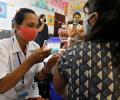
Delhi, which has been one of the worst affected states, accounted for less than two per cent of total vaccinations in the 18-44 age-group.

In 2020-21, Indian firms offered to buy back shares worth Rs 39,295 crore, or 97% more than Rs 19,972 cr proposed in the previous financial year.
Covid-19, US yields, dollar to weigh on equity flows in the near term.

Initial data has shown immunity triggered by the two mRNA vaccines -- Pfizer-BioNTech and Moderna -- lasts for at least six months
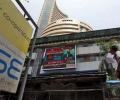
The 30-share bluechip index is rebalanced on a semi-annual basis with next rejig slated for June 18.

While the Indian government has been procuring Covid-19 vaccines at low prices so far, manufacturers have to declare the prices of vaccines they would supply to the open market (industries, private hospitals, etc) and state governments before May 1. Sohini Das reports.
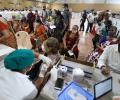
Sputnik V is already approved in India and Sinovac is unlikely to come in as it does not meet the criteria.

While the stocks met various other inclusion parameters, there were fears they may still get disqualified given the sharp run up in their stock prices.

The second wave of the pandemic has not only crippled medical infrastructure in terms of hospital beds, but has also led to bottlenecks in invasive ventilators and medical oxygen capacities and supplies.
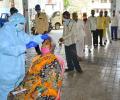
One challenge for many laboratories in ramping up is the shortage of trained manpower for collecting samples, report Sohini Das, Vinay Umarji and Virendra Singh Rawat.
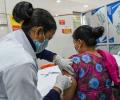
'In case of shortage of other raw material, like filters and bags, one can try to develop another vendor. However, for chemicals as critical as adjuvants, this is not possible'
This will be an upfront payment for the vaccine doses that these two companies will supply to the government.

The listing day gain-to-loss ratio for FY21 was 71 per cent, the highest since FY17, when it was 85 per cent.

'The US has invoked the Defence Act and banned export of raw materials.' 'This is as good as banning vaccines.'

The production of Covaxin will increase from the current 10 million doses per month to 60 million-70 million by July-August.
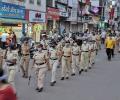
It has taken 51 days to reach a daily caseload of 84,000 from 11,000, as against 85 days taken in the first wave, report Abhishek Waghmare and Sohini Das.

'I don't think anybody would want to be in my position today where every head of State has to be explained that I am prioritising my country because there is a surge in cases.'

The finance ministry said the sharp inflows last fiscal were due to the government's policy initiatives and economic recovery.
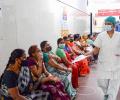
Both manufacturers have sought funds in excess of Rs 150 crore under the department of biotechnology's Mission Covid Suraksha scheme. Announced last November, the scheme has an outlay of Rs 900 crore to help develop Covid vaccines, from the clinical development stage to setting up production sites.

'It won't help being complacent about the momentum and valuations of equities that currently exist.'
 © 2026 Rediff.com - Investor Information - Advertise with us - Disclaimer - Privacy Policy - Sitemap - Feedback - About us - Terms of use - Grievances